


The mainstream attitude that equates addiction with criminality tends to overlook some of the more foundational and influential components of addiction, those related to individual and cultural wounding. Those who turn to substances do so to fill a void—to bridge the vast expanse that they experience between disparate parts of themselves, and between themselves and the world.
Extraverted Sensation - Se
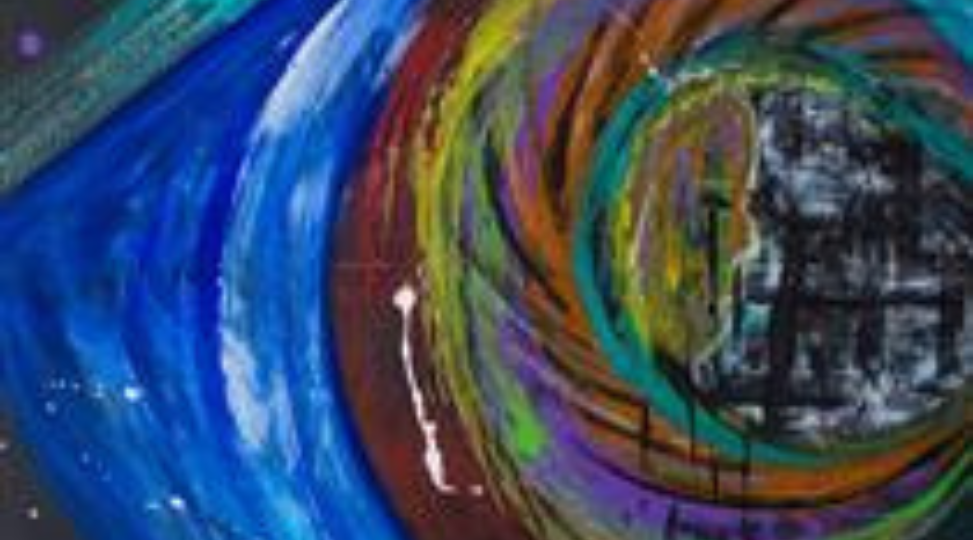
As a species, we have been invoking the machine for centuries. The machine has become an archetype, evolving in its shape and form over the generations. One only needs to think of the massive data centers already in place today with thousands of computing elements in operation for AI training and generation. Jung (1984) reminded us that these vast machines are the dragons of our day.
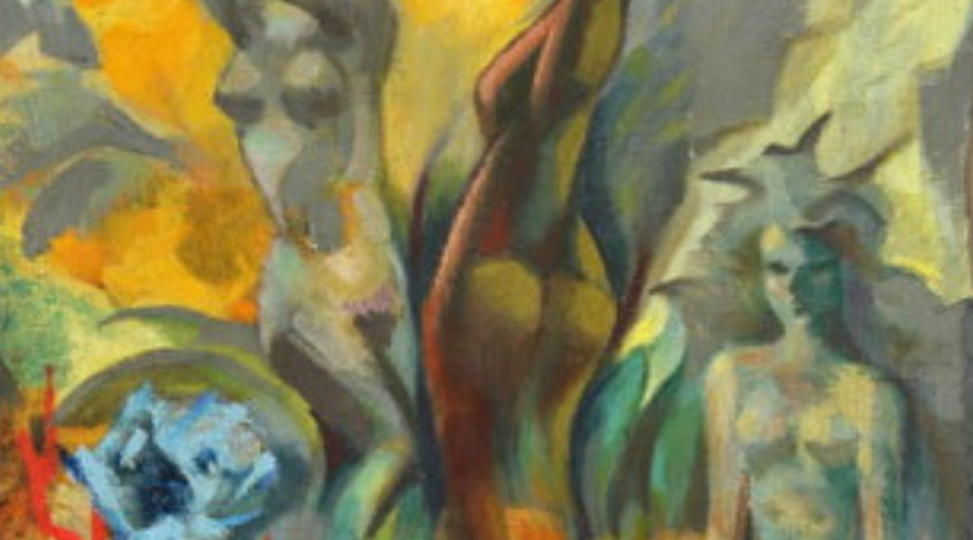
Intuitives must engage with and deepen into the body’s knowing, enter into conversation with the body and be open to its revelations. Coming into relationship with the body has opened channels to the depths of my being, making me conscious of the guidance within, informing me of my innermost needs, and allowing me to accept the paradoxes of the inner world.
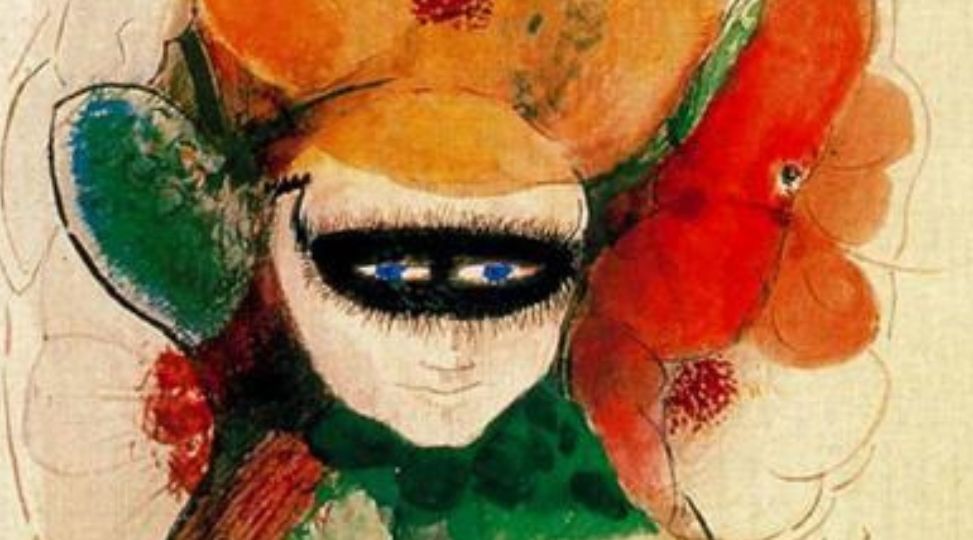
The competent, professional, independent persona that I had painstakingly crafted over my entire adolescence and adulthood was taken from me. The woman who had climbed the ranks to become a successful executive at the pinnacle of the corporate world, with her glamorous jet-setting lifestyle, was gone. I had experienced an enormous personal defeat and, having no recourse left, I realized I had reached rock bottom.
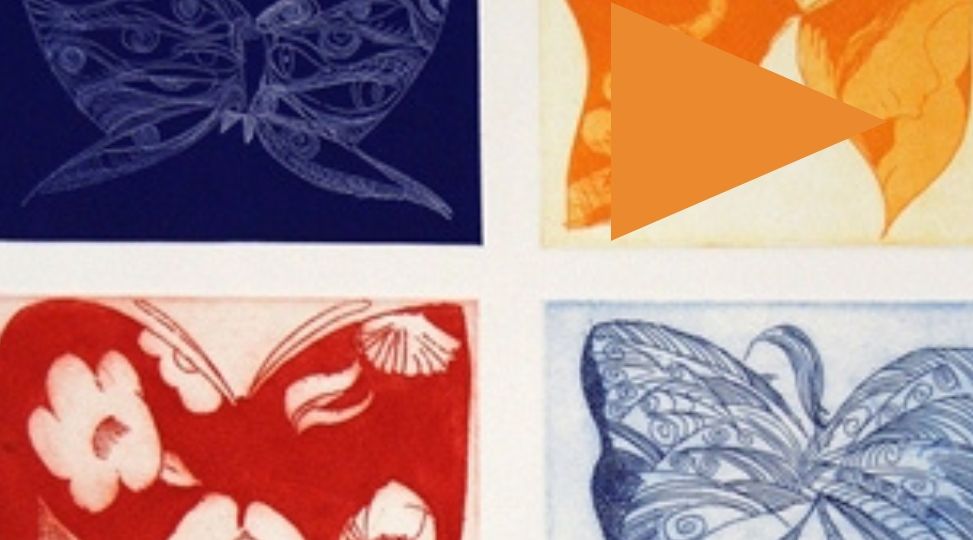
I now better understand the odds against all of this: a male, Caucasian physician, living in the firm grasp of an ESTJ cultural weltanschauung awakens to the soul’s desperate pleading late in life. That the soul seeks to live forward something alien, foreign, and predictably destructive is now so comprehensible. Nothing heroic is here, merely a journey of survival.
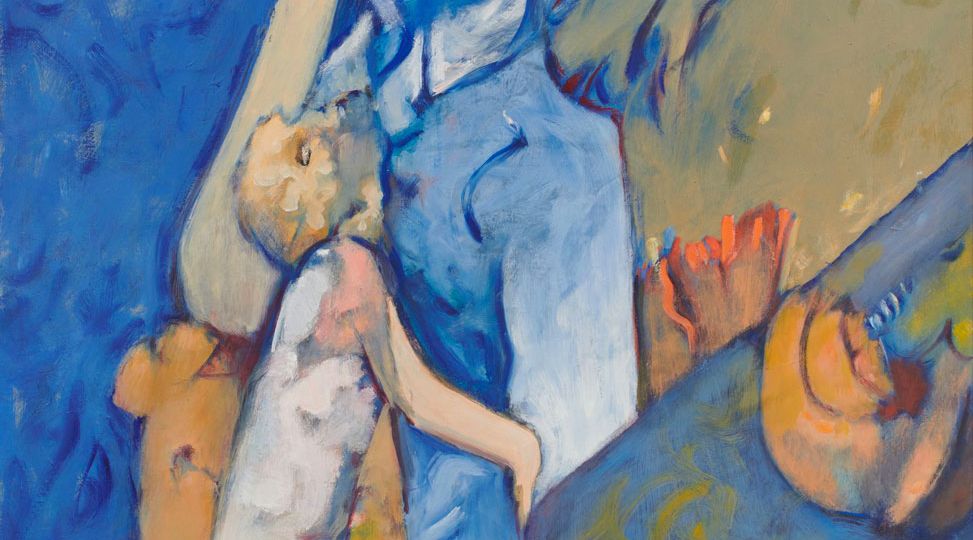
I was in the grip of my own unconscious, projecting the shadows I was grappling with onto the work environment around me. I felt compulsively gripped by a desire to “fight the evil empire.” At my darkest point, I disregarded the fact that I did not have all the details and simply projected my personal beliefs and limited perceptions onto every decision made.

We harken back to the Conques tympanum’s division of cosmos and chaos as Jung thereby affirmed the value in engaging with all four functions so as to address our human challenges and set matters in order. Just as Christ was the arbiter of human souls on the Conques tympanum, we may engage our inner self to negotiate the chaos within our own psyche.
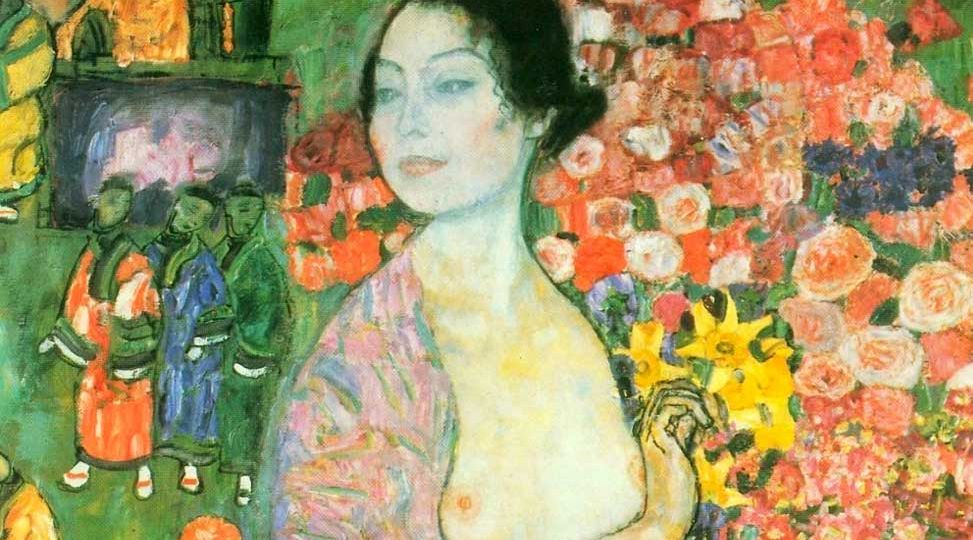
Much of the depth psychology literature has been written by and for intuitive types and introverted types, which means that those with an extraverted sensing (Se) preference are a rarity in the field. This in turn perpetuates a subtle bias against extraverted sensation. Yet, contrary to popular opinion, sensing types do have access to the archetypal realm.

Many women, and not least women with dominant Ni, intuitively know that their spirituality, their creativity, and their sexuality arise from the same source. The priestess may be found in all walks of life; she is the woman who mediates between matter and spirit, between the human and divine realms, who “will always honor sexual energy as a link to the source of life itself.”
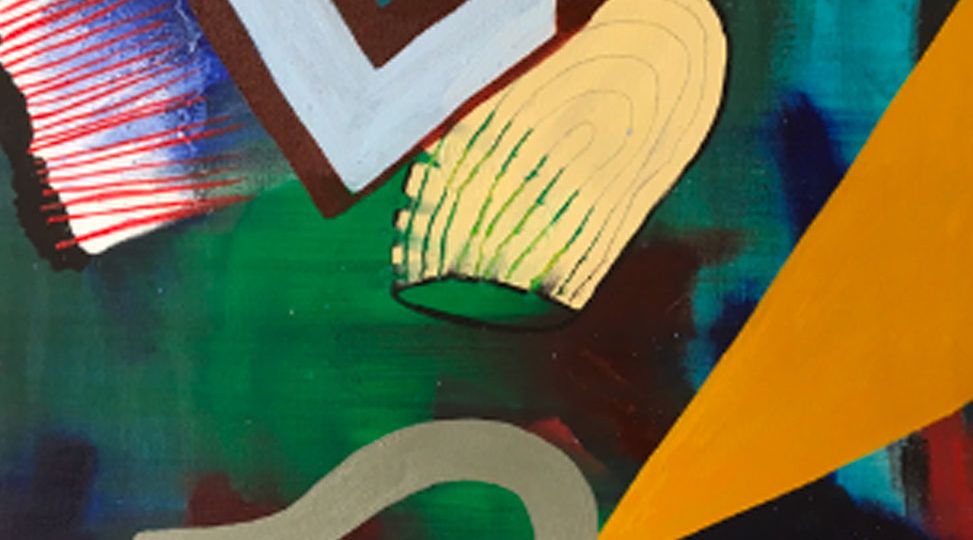
I’ve discovered that the functions express their unique influence through the tao of the Greek goddess Artemis—an archetypal propensity richly endowed with autonomous power, fierce agency, determined focus, profound self-sufficiency and capacity for self-care, and enormous ability to maintain a connection with the purity of a thalassic and lunar soul.