

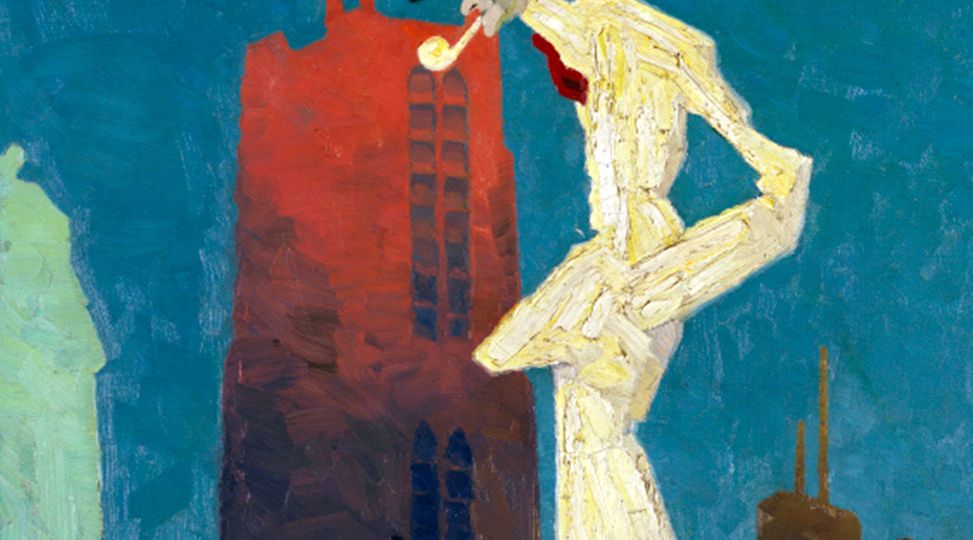
With his unique thundering velvet hand approach, a Texan rarely says, “Shut up!” or “Don’t do that!” Instead, we hear, “Hush,” or “That would be ill-advised,” with a long drawl and a grin. The result is effective and charming, binding the man to his community. He easily compensates in robust, creative, and powerful ways to ensure full balance in his personality expression.
5 - Opposing Personality
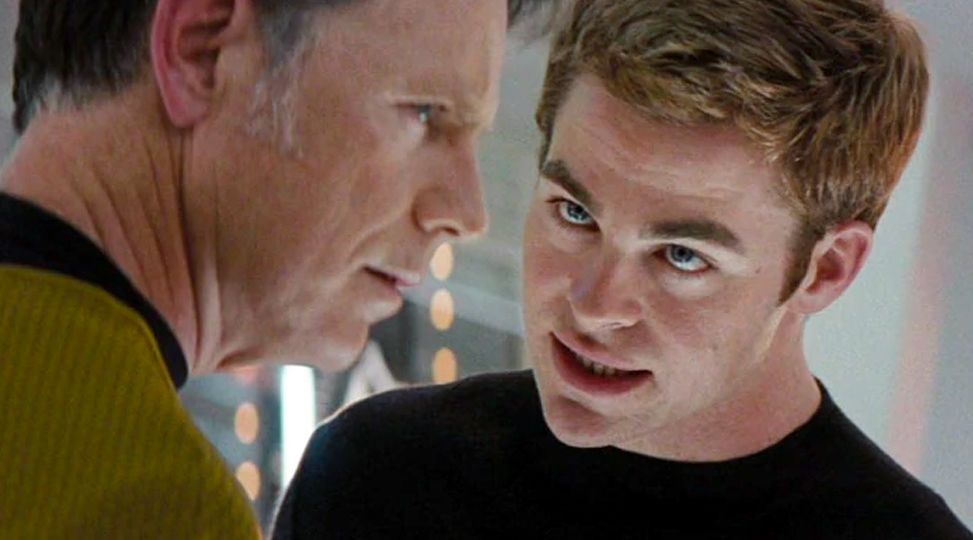
Kirk develops depth and integrity as he learns to harness the power of his dominant function and come to terms with the shadow parts of his personality. Ultimately, he is also able to cultivate his ego-dystonic functions and realize a more integrated and mature self capable of fulfilling his potential for charismatic and visionary leadership.

If the dreamer is willing to work a dream from a psychological type perspective and the therapist has the knowledge to do so, then bringing type to dream work can be helpful. I utilize this approach either when I see an aspect of psychological type present or when I cannot make heads or tails of a dream by taking other approaches.
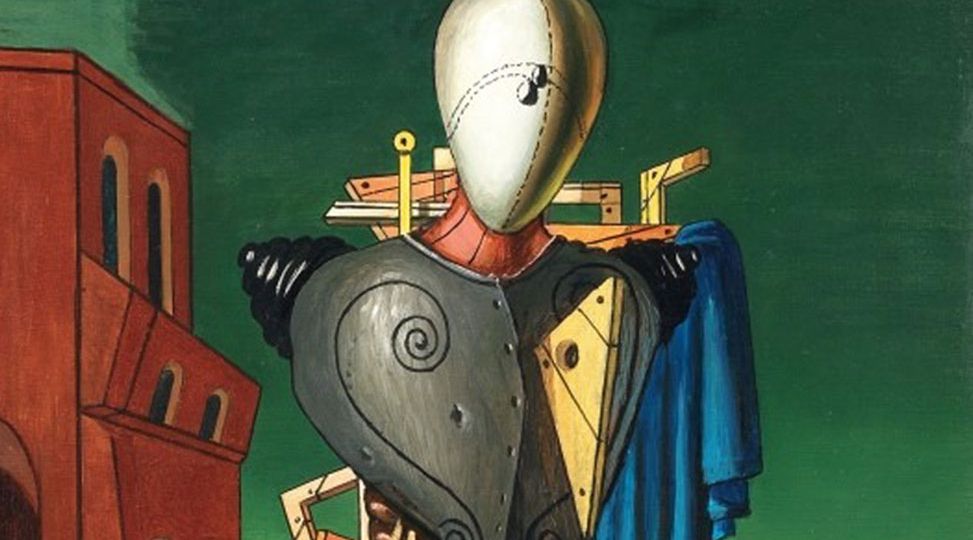
“Everything has a purpose, clocks tell you the time, trains take you to places. Machines never come with any extra parts, you know. They always come with the exact amount they need. So I figured if the entire world was one big machine, I couldn’t be an extra part. I had to be here for some reason. And that means you have to be here for some reason, too. ”
Our often-used shorthand illustration with a line drawn between the four allegedly conscious function-attitudes and the four “unconscious” ones is misleading because consciousness is not a sufficiently reliable characteristic for distinguishing these two sides of the psyche’s typology. It’s related to what distinguishes them, but only as a secondary and fairly unpredictable characteristic.
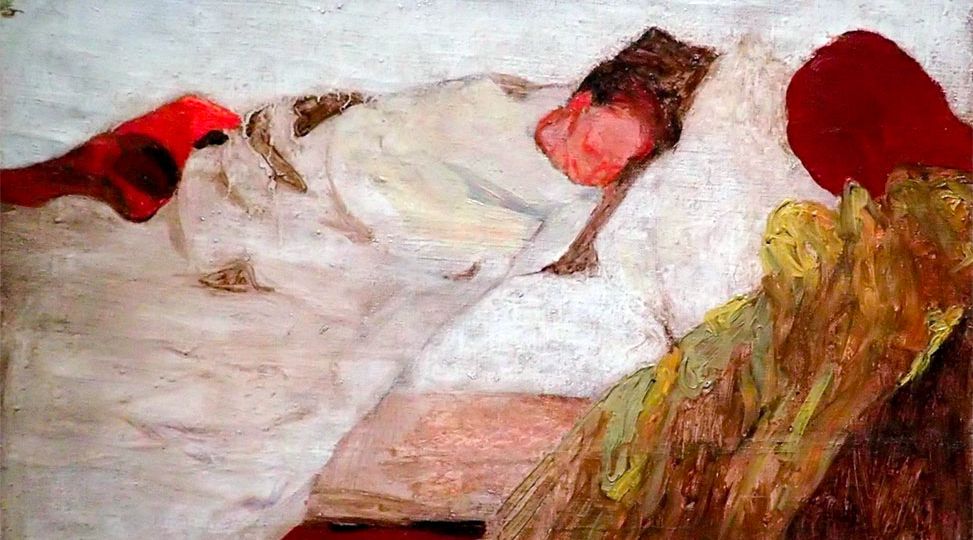
In a dream she showed up as twins. One who was quiet and could play by herself (like her father, Ti) and the other who was very precocious as she hung upside down from a tree (like her mother, Te), reflecting the inherent nature of the Opposing Personality. From the outset of our work her battle seemed to reflect inferiority about not being an extravert.

The type code had another unintended effect, which was to elevate the E-I and the J-P dichotomies to the same level as the functions. I had always thought of myself as an Introvert and nothing else. I had also been taught that I was a Judging type and I had been told that “J’s decide quickly,” but that was not true for me. So there were holes in my preference framework where my experience did not fit what I was taught.

I think many of us would be quick to put our inferior and embarrassing Anima on the pyre, and happily satiate our Heroes. But the Hero needs to sacrifice its preeminence and allow the Anima to experiment and thrive if we are to find ourselves truly committed to what we do, not to mention fulfilled by it.